How I think
Design is the bridge
Frontier technologies like Gen AI, spatial computing, and complex infrastructure often arrive as raw and fragmented capabilities. Without a bridge, this complexity becomes a barrier to adoption.
I focus at the translation layer where my role is to navigate that technical ambiguity and distill it into clarity. I believe that for a product to stick, the design must transform sophisticated systems into something that feels intuitive, trusted, and essential.
Beyond designing for visual polish, I design for the moment a technical how becomes an effortless human why.
Closing the gap
My background in math, economics, and HCI shapes this perspective. I approach product through the lens of systems, incentives, and feedback loops, treating design decisions as hypotheses and prototyping to de-risk technical ambiguity early.
From AR/VR at Meta to multimodal voice at Wispr and AI-native tools at Reve, my work lives at the frontier of new interfaces. I specialize in bridging the gap between what technology can do and what people will actually adopt.
Because innovation doesn’t win on novelty. It wins when it sticks.
Beyond design
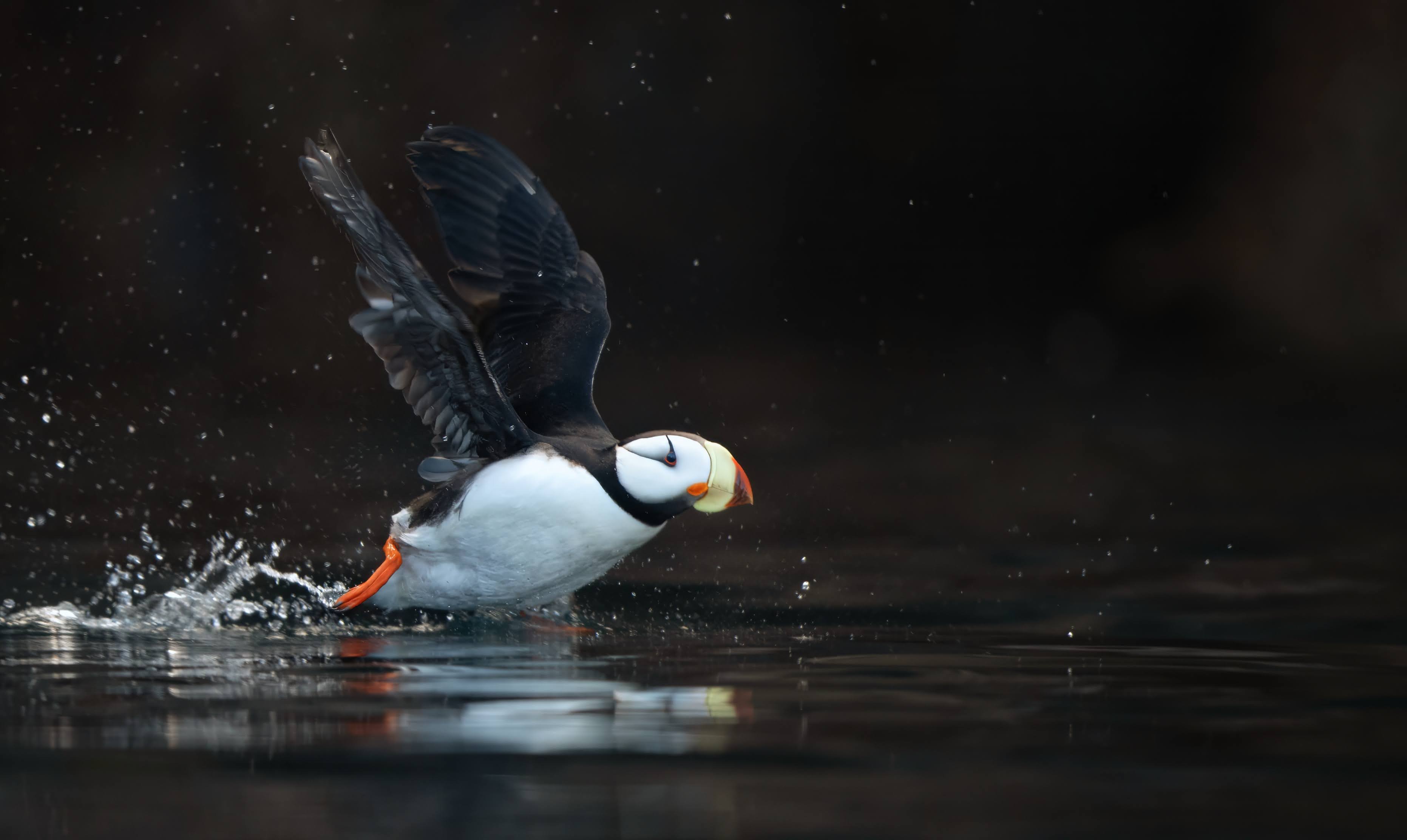
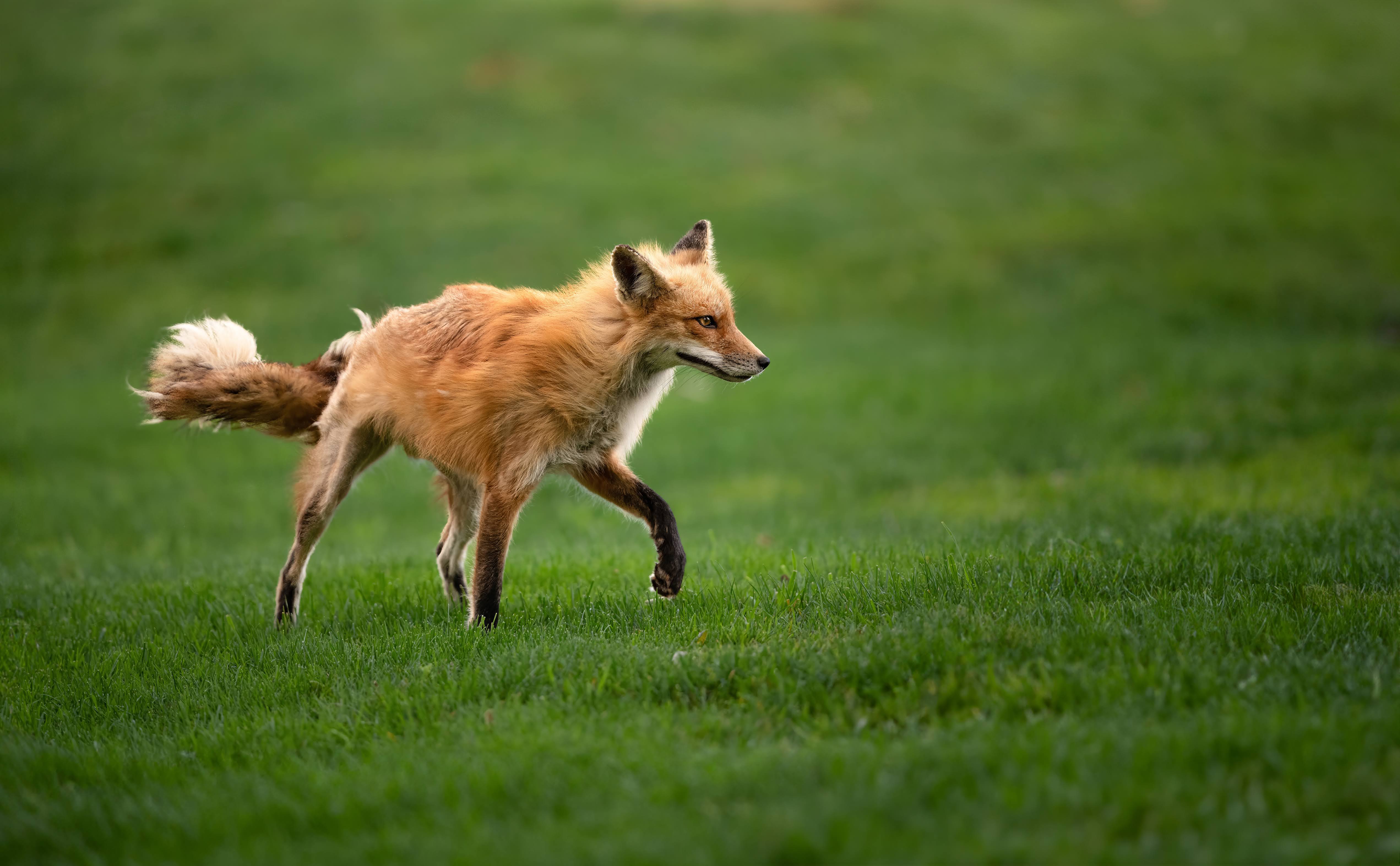
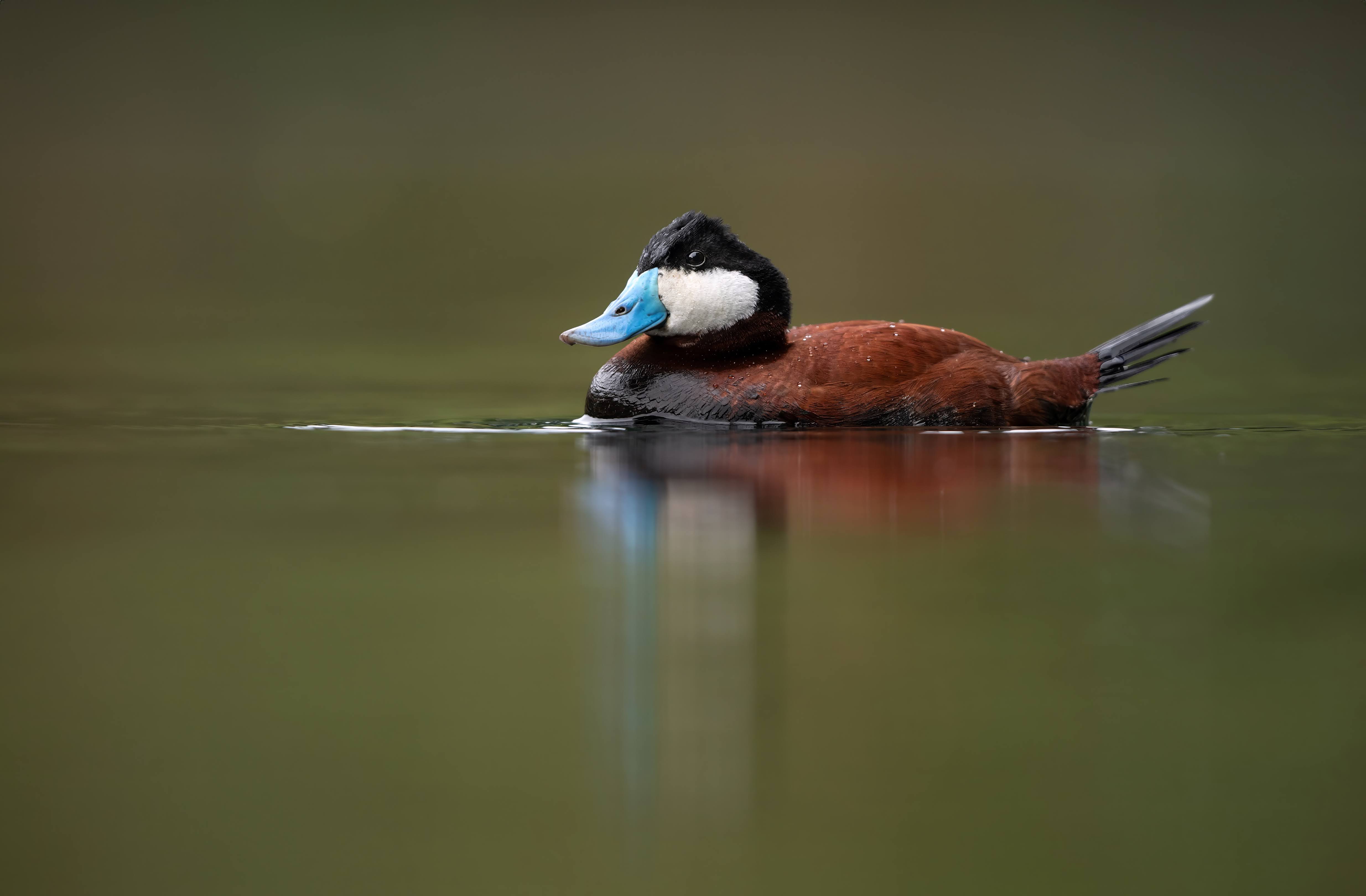
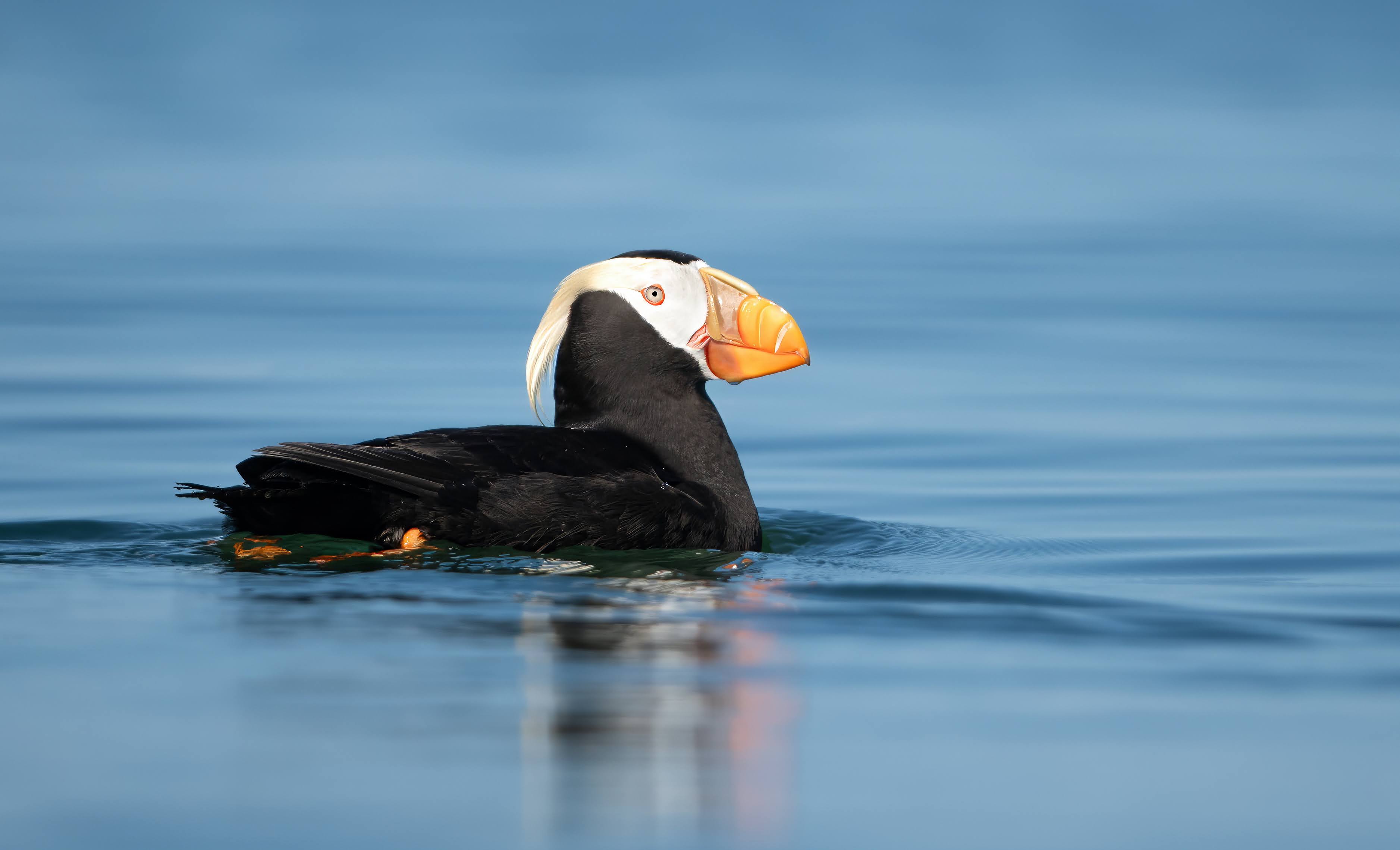
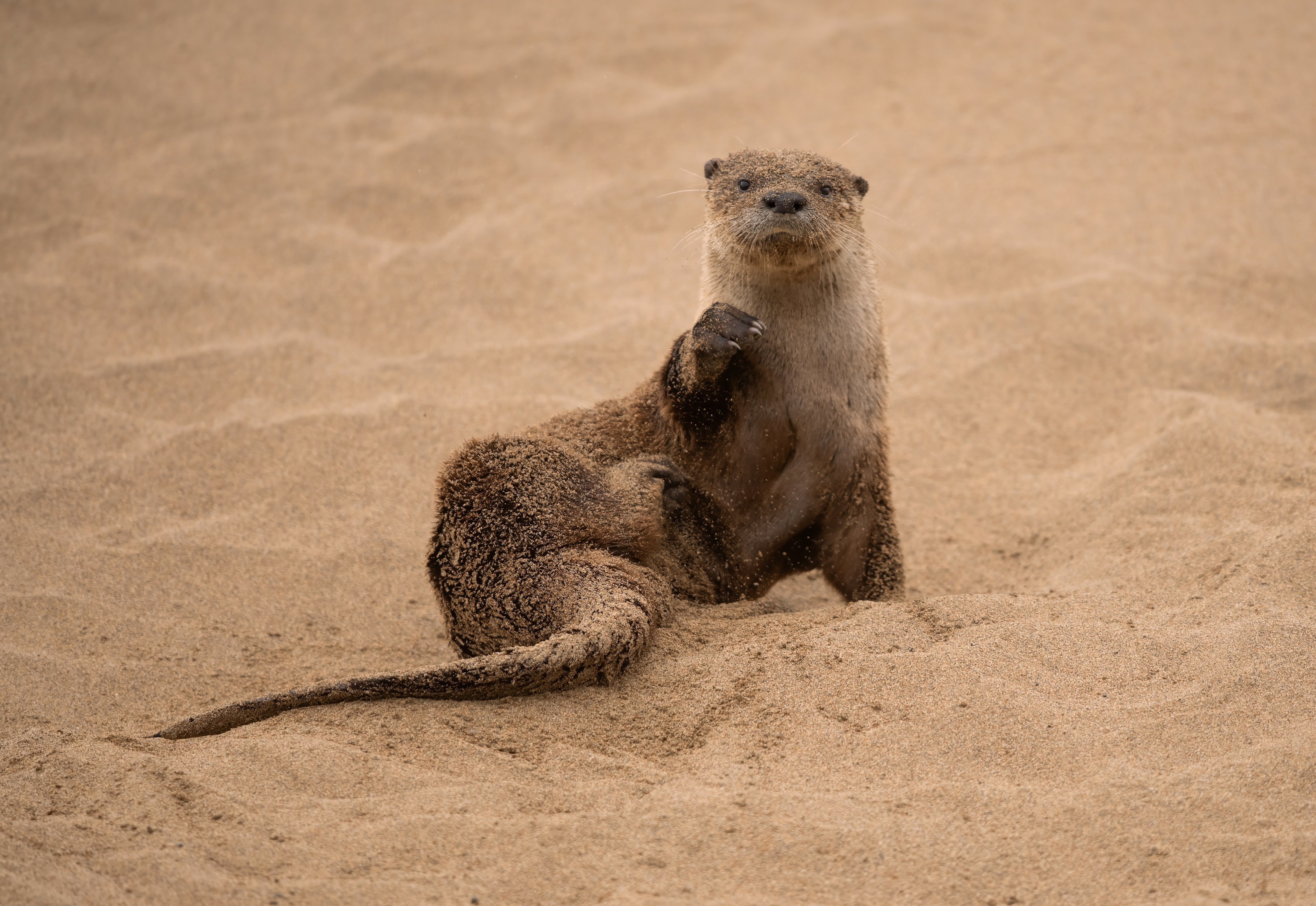
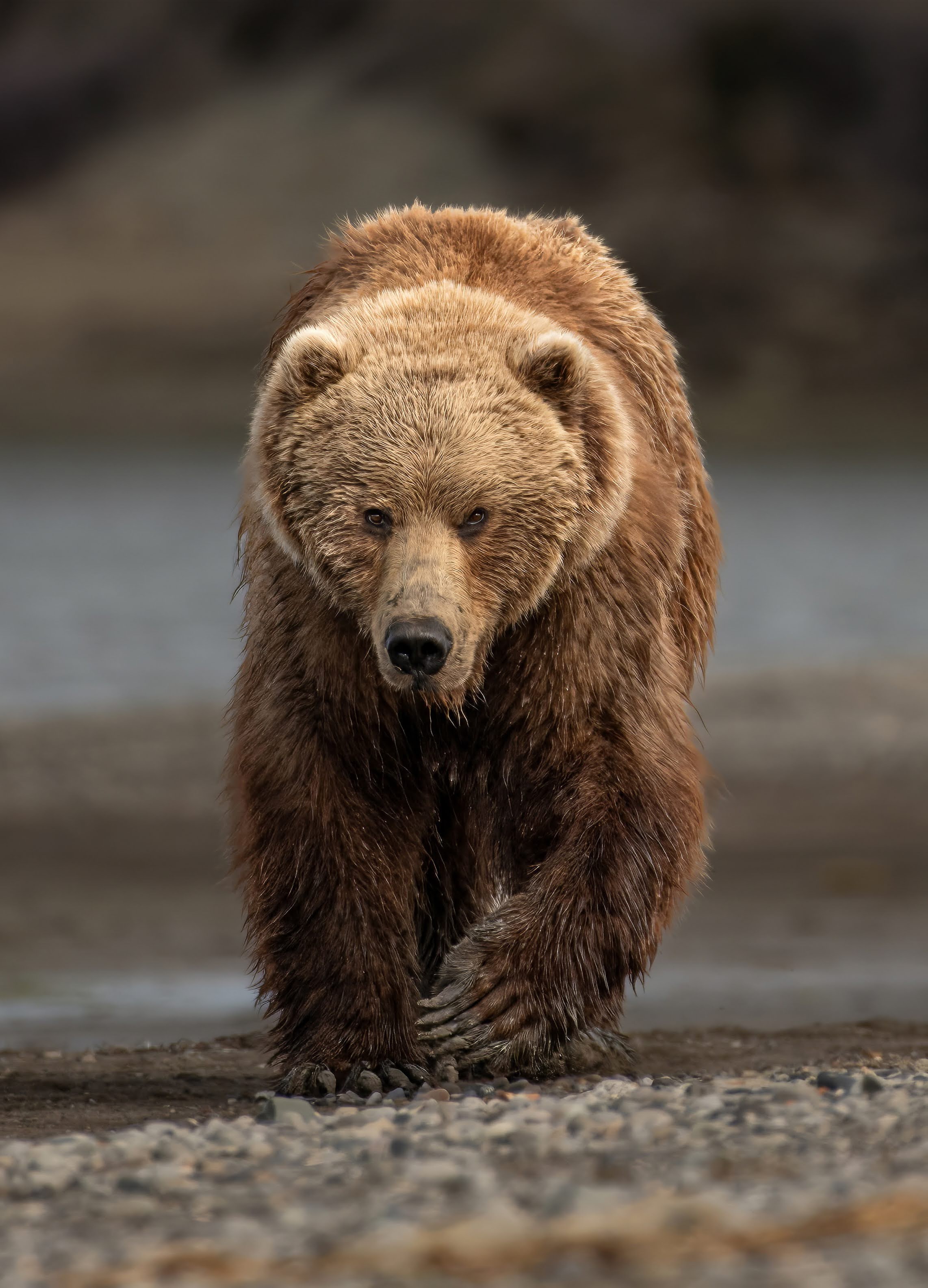
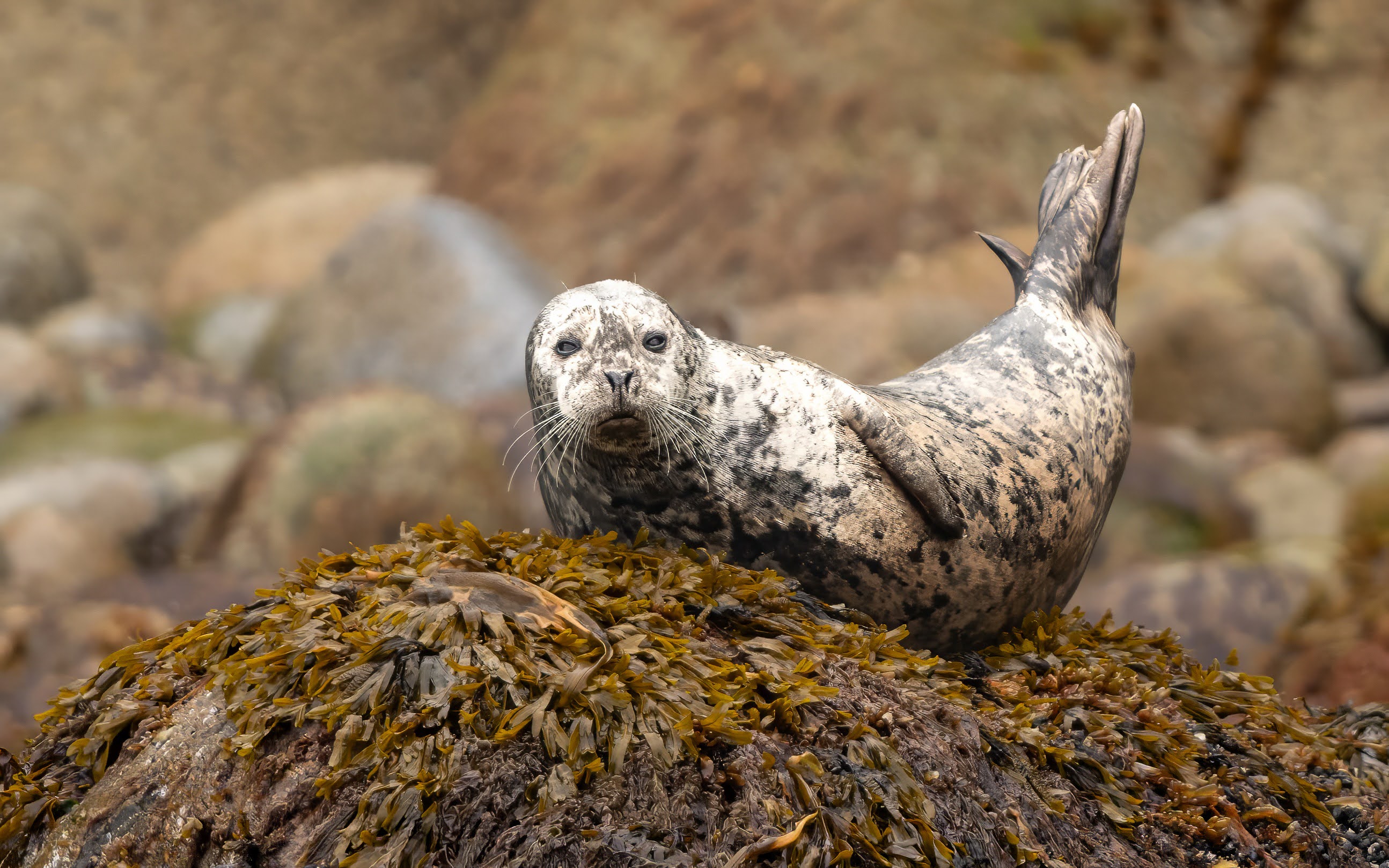
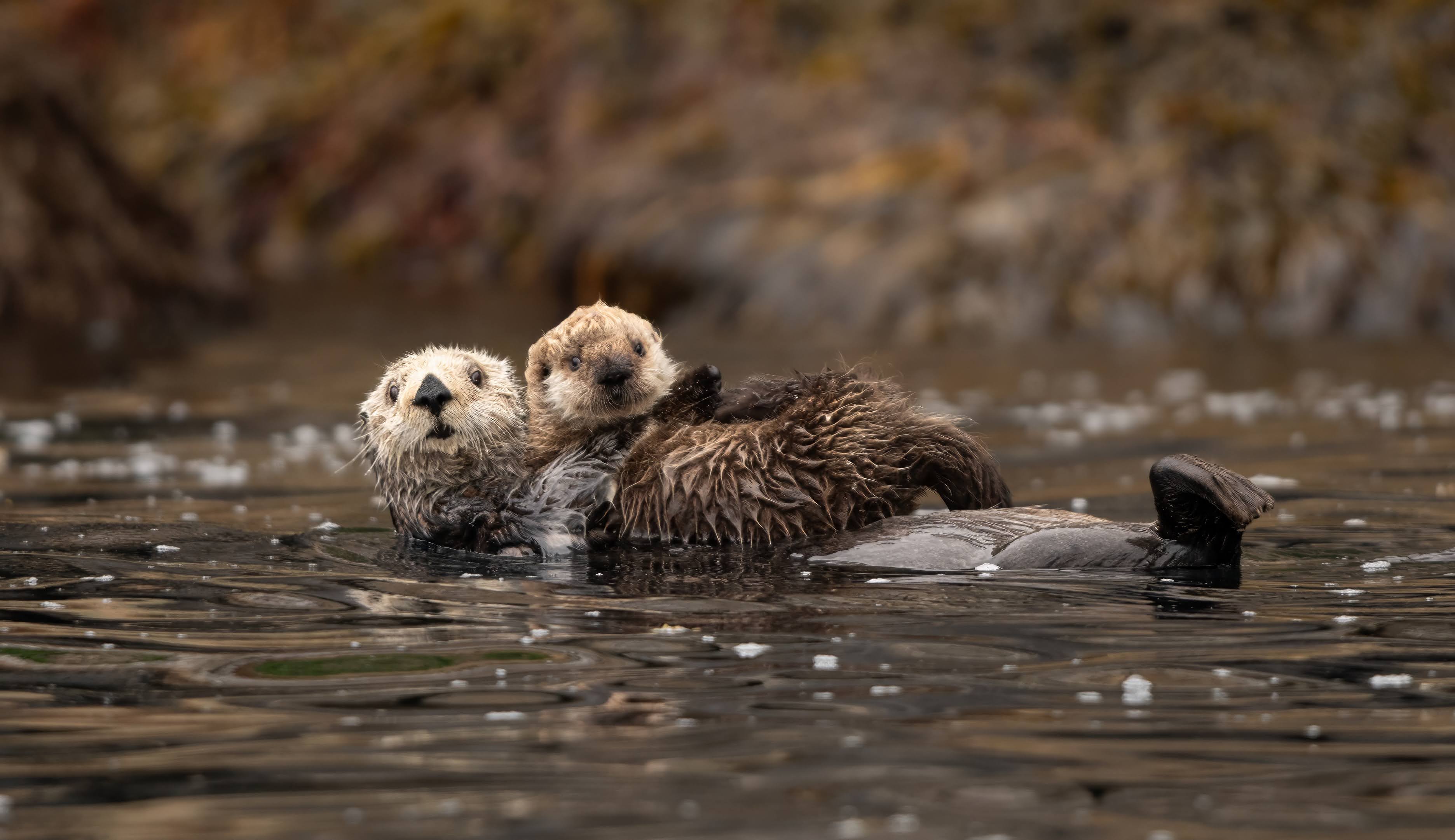
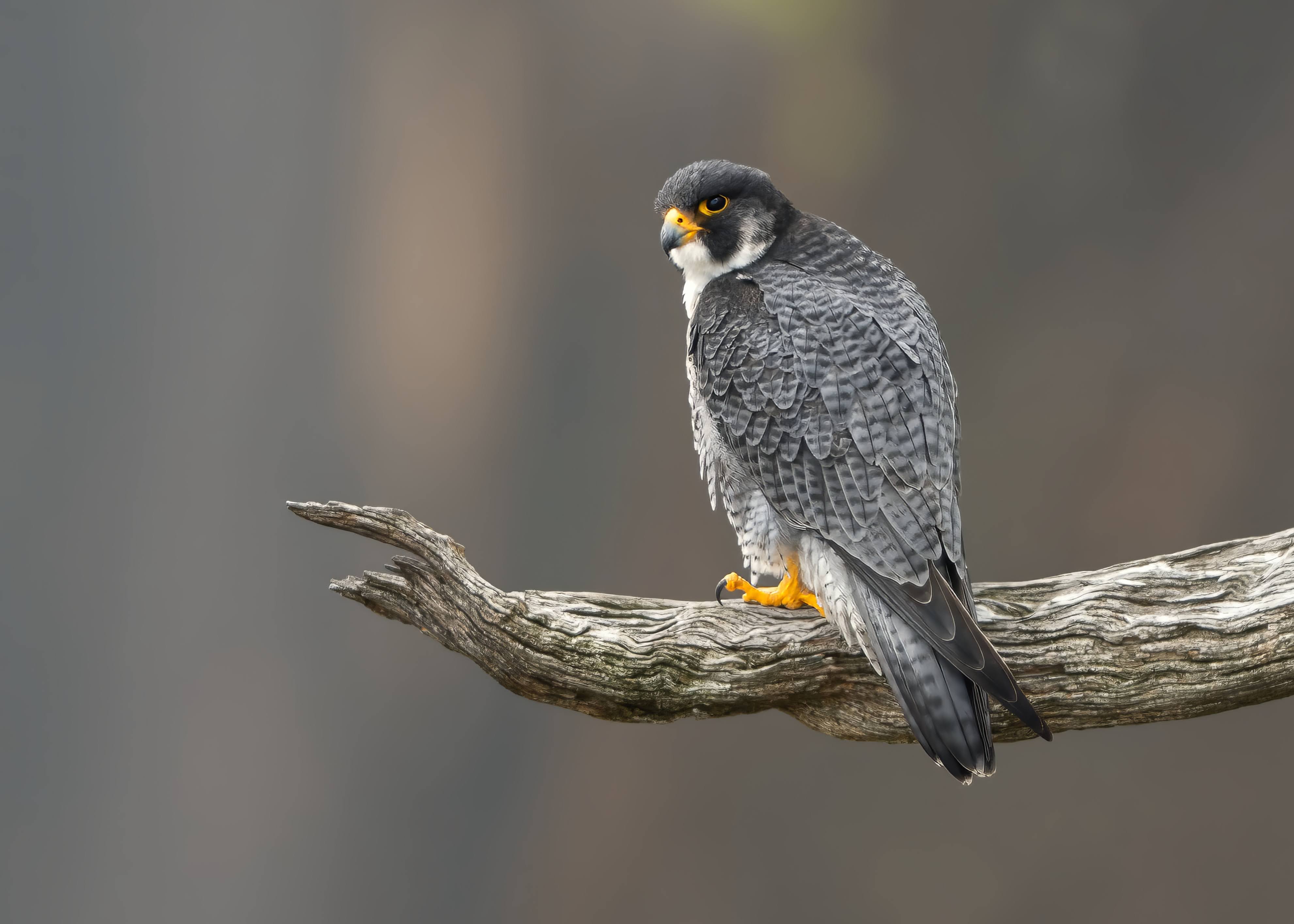
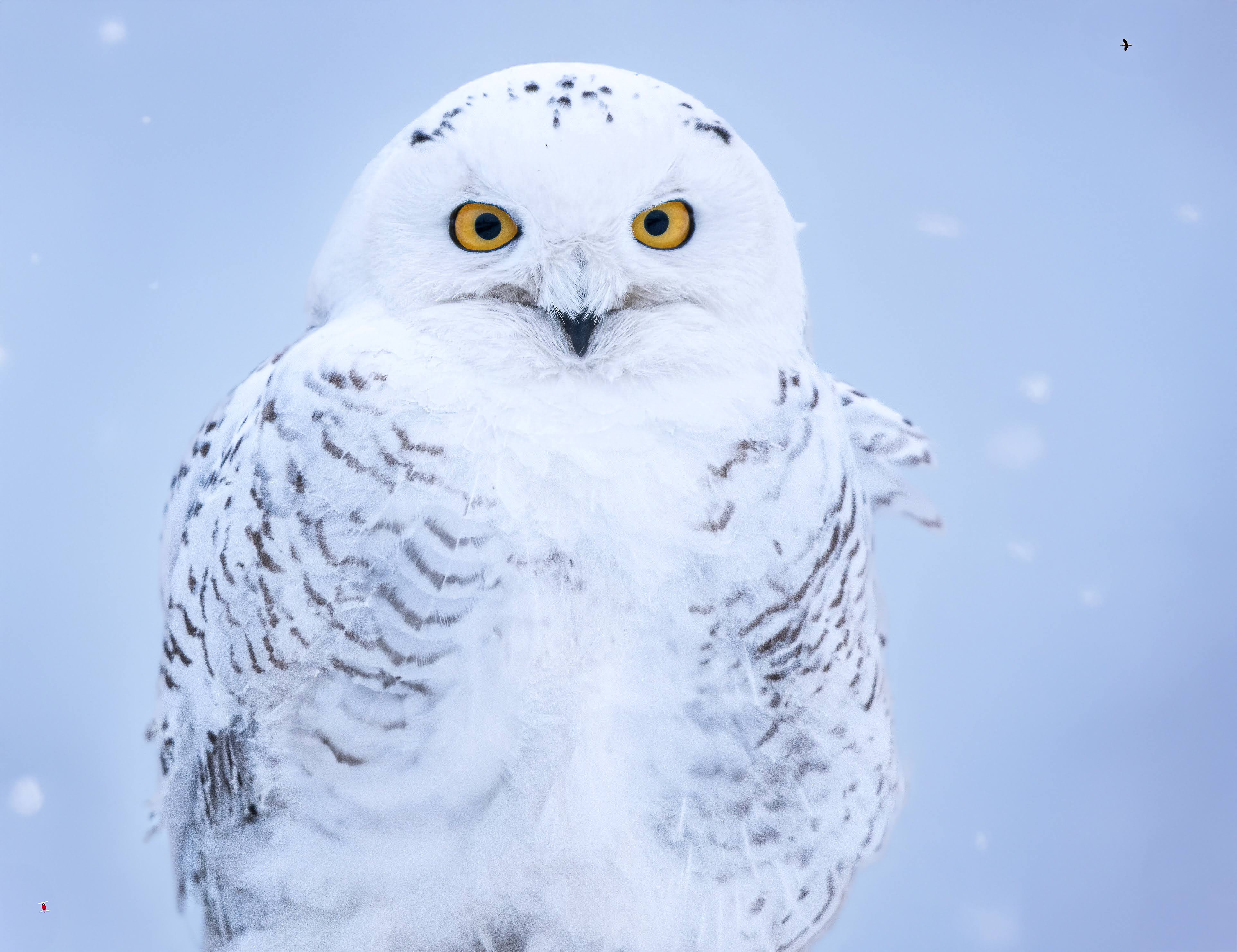
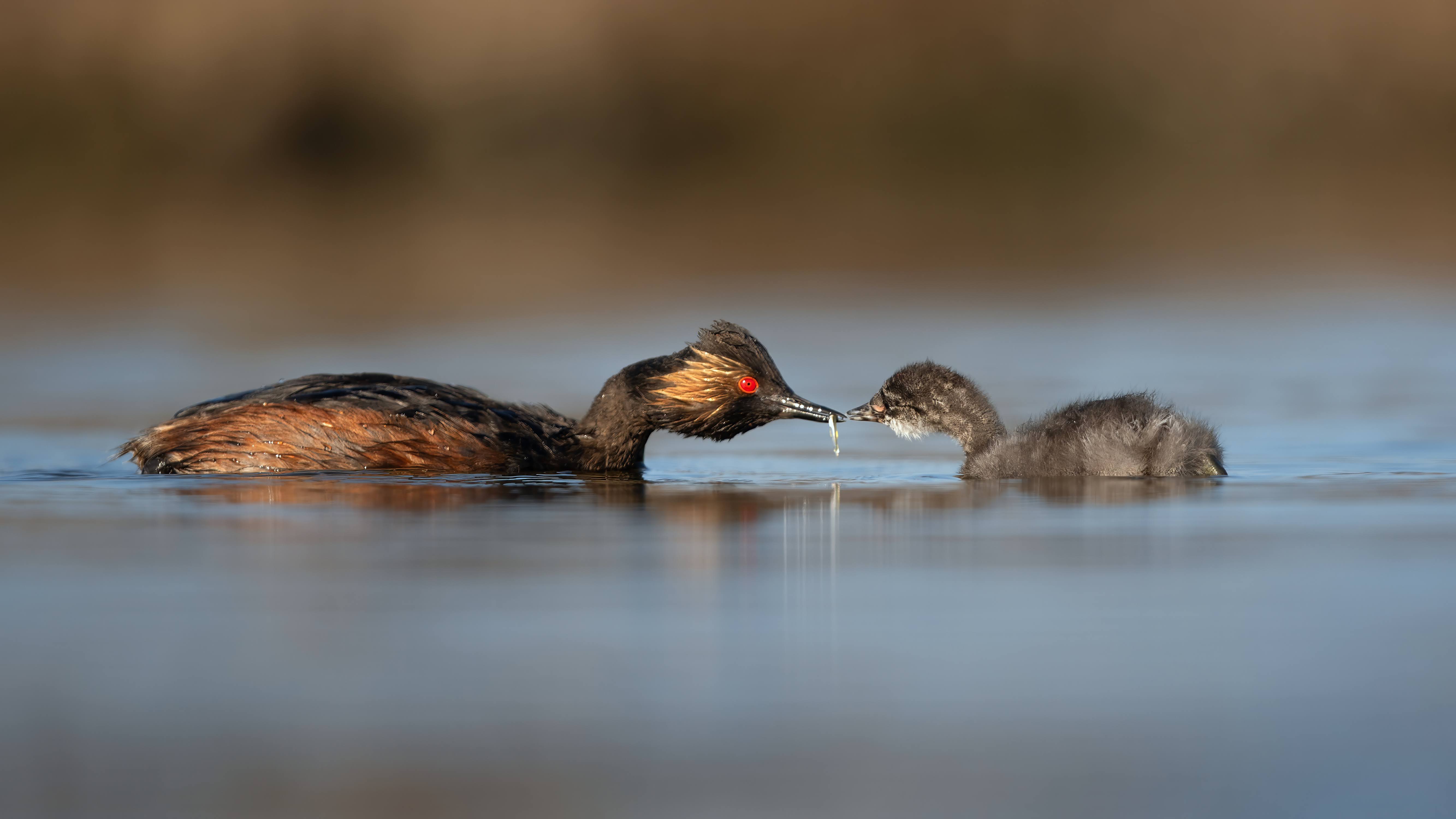
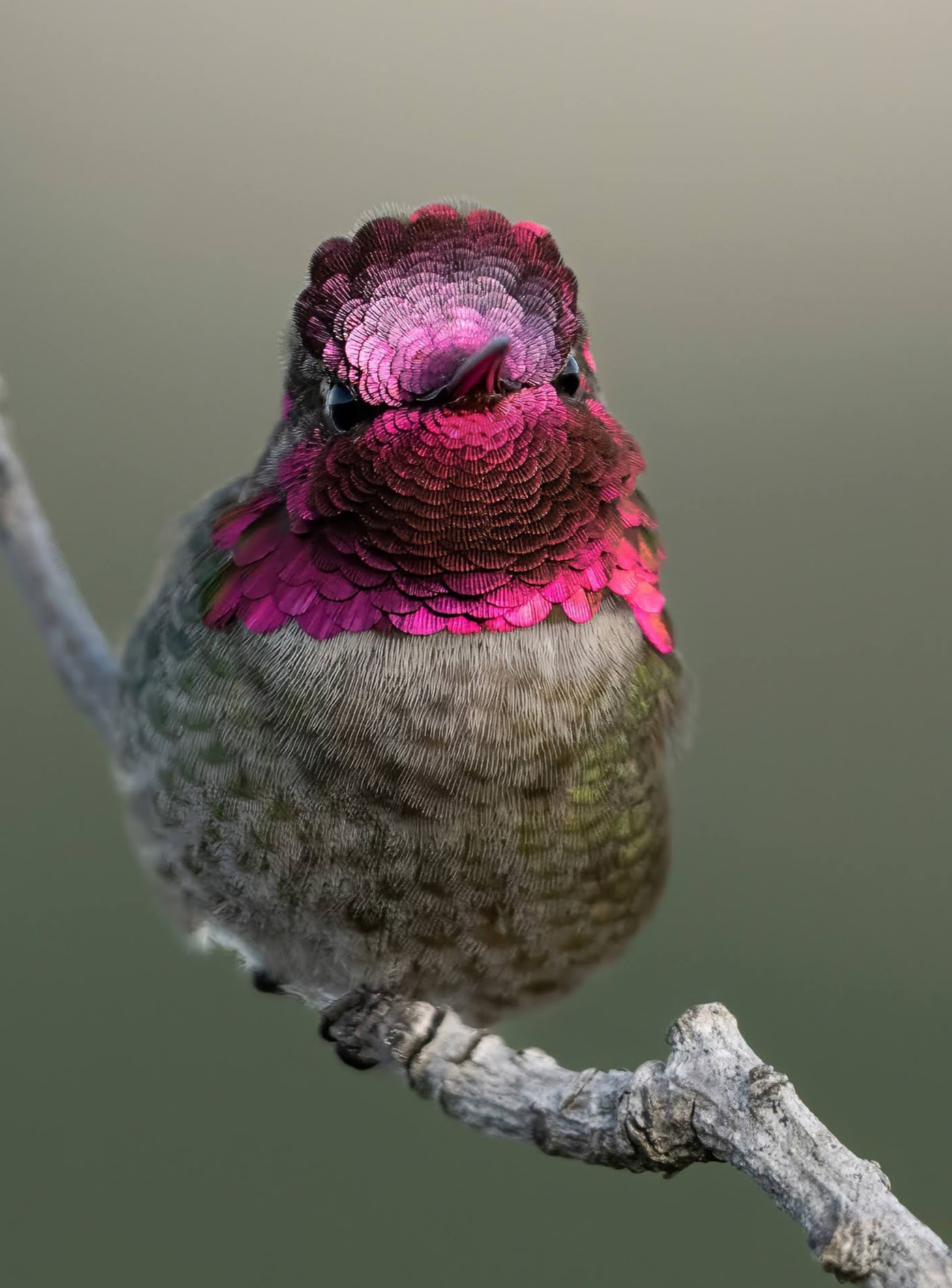
I photograph nature and wildlife.
It demands patience, timing, research, and careful observation. You don’t control the environment, you learn to read it. Behavior shifts, lighting changes, and the moments are brief.
It mirrors how I approach design: observe carefully, understand the system, and move with intention.